How long does meat last? Regular bags vs. vacuum sealing
Meat spoils quickly once it is exposed to air. We compare how long meat stays fresh in regular bags and vacuum bags – in the fridge and the freezer – and show how vacuum sealing cuts freezer burn and food waste.
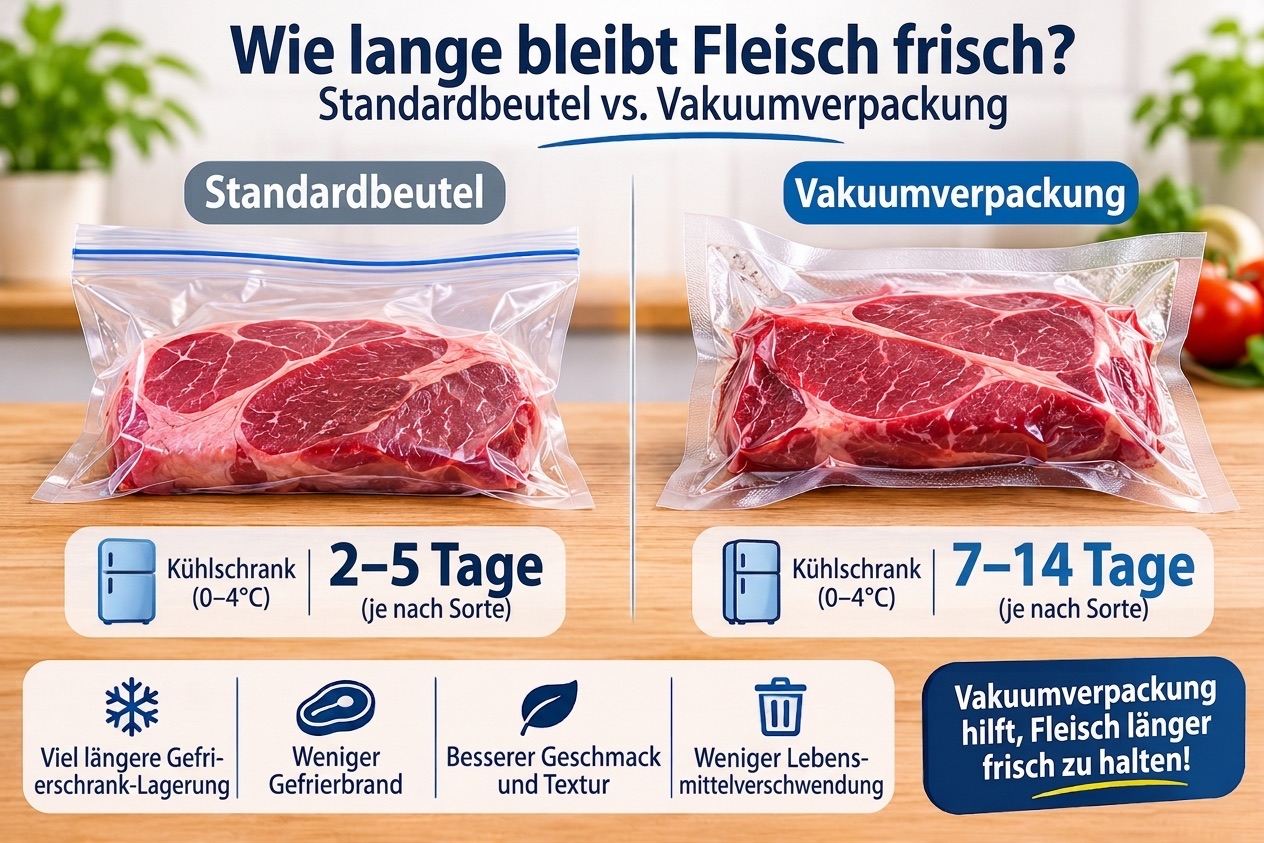
Meat is one of the foods that spoils relatively quickly, especially when it is exposed to air and stored incorrectly. Whether you buy meat in bulk, prepare meals in advance or simply want to reduce food waste, proper storage makes a big difference.
One of the most effective ways to preserve meat quality is vacuum sealing. But how long does meat last in a vacuum bag compared to conventional plastic bags? Let's compare the differences.
1. How long does meat last in regular packaging?
When meat is stored in ordinary plastic bags, containers or supermarket packaging, it remains exposed to some amount of oxygen. This contributes to oxidation, quality deterioration and freezer burn.
For raw meat stored in a refrigerator at 0–4 °C, typical storage recommendations are:
- Chicken: 1–2 days
- Ground beef: 1–2 days
- Pork: 2–3 days
- Beef steaks: 3–5 days
- Lamb: 3–5 days
- Fresh fish: 1–2 days
These recommendations assume proper refrigeration and handling. Always follow the use-by date and the manufacturer's storage instructions.
2. How does vacuum sealing extend freshness?
Vacuum sealing removes most of the air from a specially designed bag before sealing it. This significantly reduces oxygen exposure, helping to slow oxidation and preserve the quality of food.
The main advantages include:
- Reduced oxidation: less oxygen helps preserve the colour, flavour and texture of meat.
- Less freezer burn: vacuum packaging protects meat from direct exposure to cold, dry air.
- Better storage organisation: vacuum-sealed portions are compact and easy to label and stack.
- Less food waste: you can divide larger purchases into smaller portions and store what you don't need immediately.
Important: vacuum sealing does not sterilise food or stop all bacterial growth. Meat must still be refrigerated or frozen at the correct temperature.
3. Regular bags vs. vacuum bags in the freezer
Freezing is one of the best ways to preserve meat for longer periods. However, conventional packaging often allows air to reach the food, resulting in freezer burn and deterioration in texture and flavour. Vacuum sealing provides a much better barrier against air exposure.
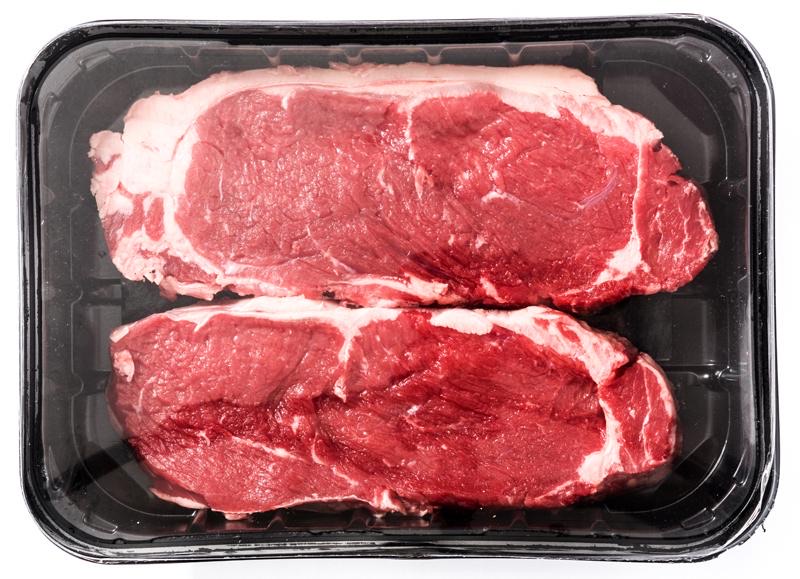
Regular packaging: air stays around the meat – this encourages oxidation and freezer burn.
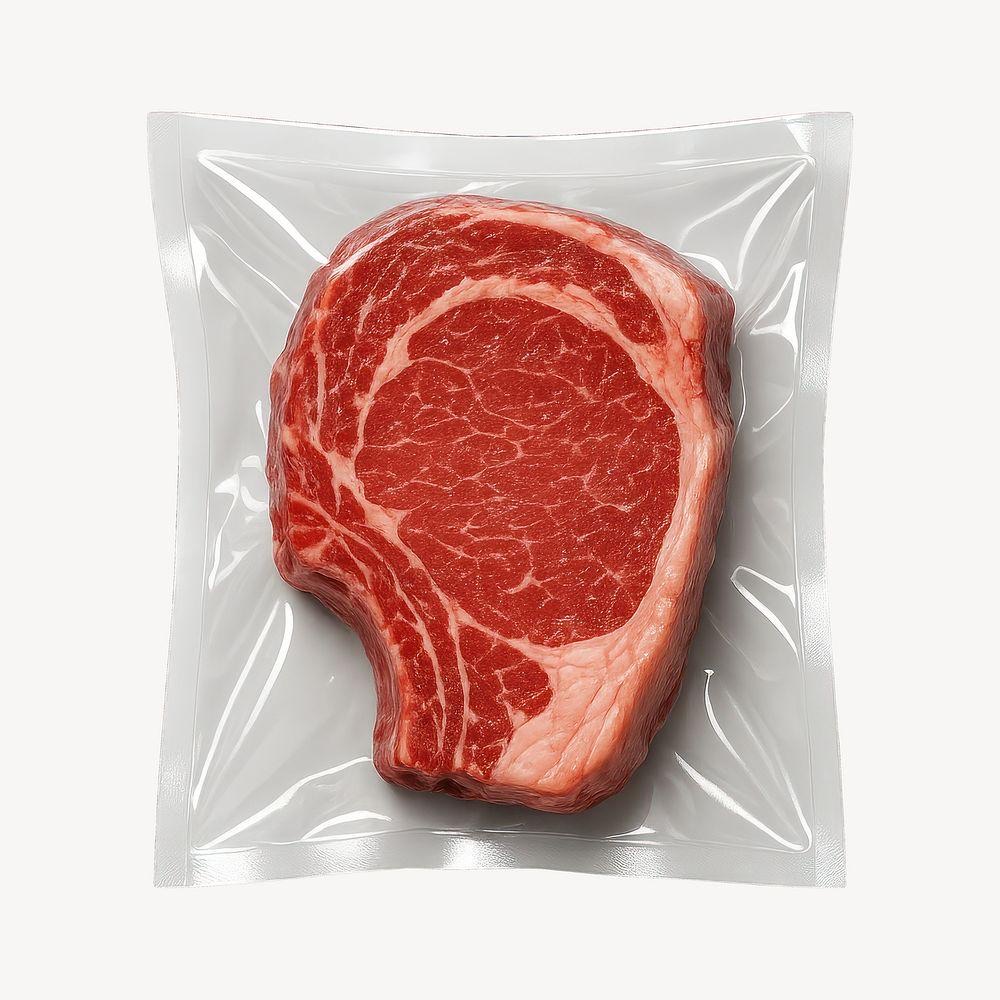
Vacuum packaging: the bag fits closely around the meat with almost no trapped air – far better protection against freezer burn.
Indicative quality-storage comparisons at −18 °C or colder (regular packaging → vacuum packaging):
- Beef: 6–12 months → 2–3 years
- Pork: 4–6 months → 2–3 years
- Chicken: 9–12 months → 2–3 years
- Ground meat: 3–4 months → 1–2 years
- Fish: 2–8 months → 1–2 years
These vacuum-storage periods are indicative quality estimates, not universal guarantees. Properly frozen food remains safe indefinitely at a constant −18 °C, but its quality can deteriorate over time.
4. Why is vacuum-sealed meat better protected?
The main difference is air exposure. When meat is stored in a conventional bag, air can remain around the product. During freezing, this can contribute to moisture loss and freezer burn.
Vacuum bags fit closely around the meat, reducing the amount of air trapped inside. This helps preserve:
- natural moisture,
- original texture,
- flavour and overall quality,
- appearance after thawing.
The result is better-quality meat when you're ready to prepare your next meal.
5. How to vacuum seal meat properly
- Prepare the meat: divide it into portions suitable for individual meals.
- Keep it cold: work with chilled meat and avoid leaving it at room temperature.
- Choose the right bag: use bags designed specifically for your vacuum sealer.
- Leave enough space: keep the sealing area clean and leave sufficient room at the top.
- Vacuum and seal: remove the air and make sure the seal is complete.
- Label the package: write down the type of meat and freezing date.
- Store immediately: refrigerate or freeze the package without delay.
For long-term storage, freezing is the preferred option. Vacuum sealing alone does not make raw meat safe to keep refrigerated beyond standard food-safety recommendations.
Important: vacuum-packed raw meat must remain refrigerated or frozen. Some harmful bacteria can grow in low-oxygen environments, so never rely on the vacuum seal as a substitute for temperature control.
6. Is a vacuum sealer worth it?
If you regularly buy meat in larger quantities, prepare meals ahead of time or freeze food for later, a vacuum sealer can be a useful investment. Consider these benefits:
- buy larger quantities and divide them into convenient portions,
- protect frozen meat against freezer burn,
- keep your freezer organised,
- preserve food quality for longer,
- reduce unnecessary food waste.
Over time, better food storage can help you make more efficient use of your grocery budget.
Conclusion: better food storage starts with better packaging
Regular plastic bags can be sufficient for short-term storage, but they offer less protection against air exposure, especially in the freezer. Vacuum sealing provides a more effective way to protect meat quality, reduce freezer burn and organise food storage.
Whether you store chicken, beef, pork or fish, a vacuum sealer can help you get more out of every purchase.
Frequently asked questions (FAQ)
How long does vacuum-sealed meat last in the fridge?
Vacuum sealing mainly extends quality during storage; it does not replace refrigeration. For raw meat, stick to the usual fridge guidelines and the manufacturer's use-by date. For long storage, freezing is the better choice.
Does vacuum sealing make meat safe for longer?
No. Vacuum sealing improves quality preservation – it does not sterilise food or stop all bacterial growth. Temperature control (refrigerating or freezing) remains essential.
Does vacuum sealing prevent freezer burn?
It reduces it significantly. Because almost no air remains in the bag, the meat is better protected from cold, dry air, so moisture, texture and flavour last longer.
Which bags should I use?
Use food-grade bags or rolls suitable for your vacuum sealer. For regularly moist foods or very large quantities, chamber vacuum sealers are a good option.
Looking for the right vacuum sealers, bags and rolls? Explore Planeta's vacuum sealing solutions and discover a smarter way to store food – or get in touch, we are happy to help.