How to choose the right ironing board cover: a complete buying guide
Cotton or aluminium? Padding, heat resistance, steam permeability and the right size – our guide walks you step by step through what to look for in an ironing board cover.
Choosing the right ironing board cover might seem like a small detail, but it can make a significant difference to your ironing experience. The right cover helps clothes glide smoothly, provides a comfortable ironing surface and allows steam to pass through properly.
However, not all ironing board covers are the same. Different materials, padding thicknesses, surface coatings and sizes can affect how well they perform. Whether you are replacing an old cover or buying one for the first time, this guide will help you understand what to look for.
1. Choose the right material: cotton vs. aluminium-coated covers
One of the first decisions is the material. Two popular options are traditional cotton covers and aluminium-coated covers.
Cotton ironing board covers
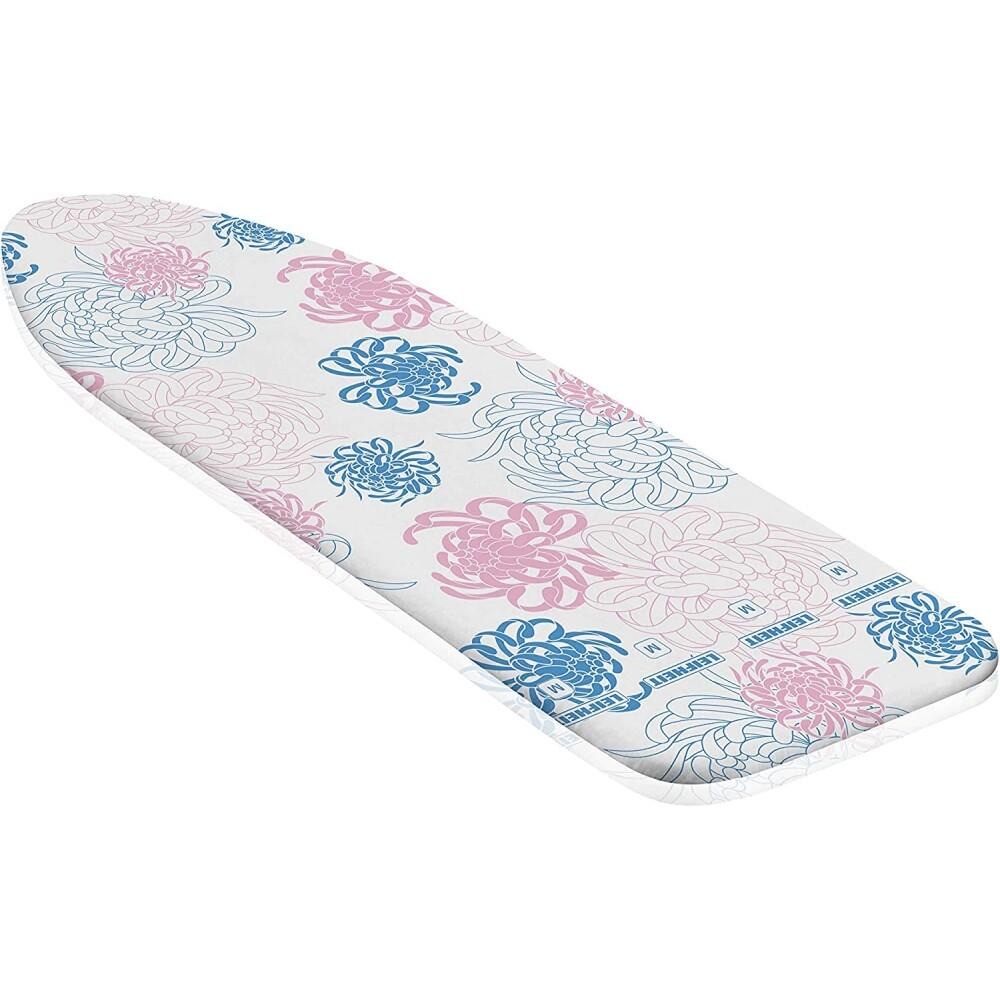
Cotton covers are a popular choice for everyday ironing. They provide a natural fabric surface suitable for a wide range of garments.
Advantages of cotton covers:
- comfortable and familiar ironing surface,
- suitable for everyday household ironing,
- available in different colours and patterns,
- often combined with foam or felt padding for added comfort.
Cotton covers are a practical choice if you regularly iron shirts, trousers, bedding and other everyday garments. You will find plenty of patterns and sizes in our ironing board covers.
Aluminium-coated ironing board covers
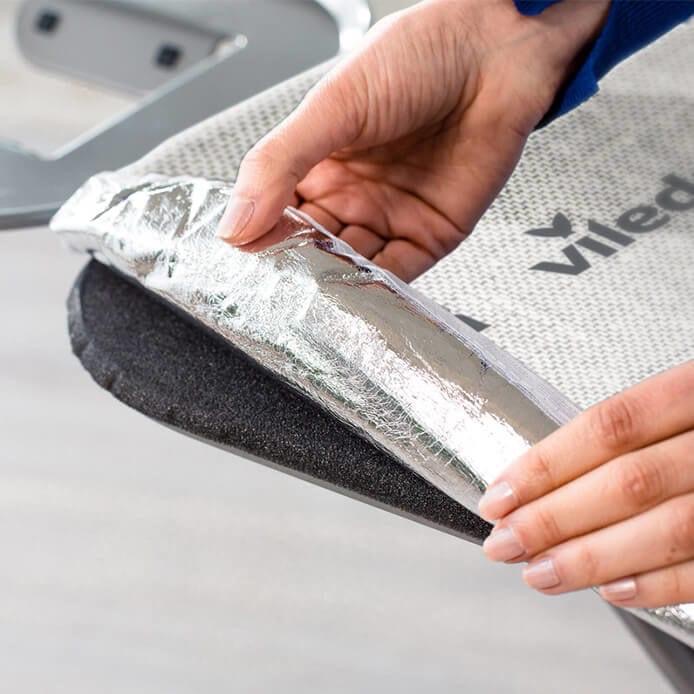
Aluminium-coated covers have a special reflective surface designed to reflect heat towards the garment. This can help distribute heat more efficiently and may reduce the time needed to iron certain fabrics.
Advantages of aluminium-coated covers:
- reflect heat back towards the garment,
- can improve ironing efficiency,
- often suitable for steam ironing when designed with appropriate steam permeability,
- provide a smooth, modern ironing surface.
They are particularly interesting for people who iron frequently or want a more efficient routine. A reflective aluminium cover is also available in our ironing board cover category.
Which one should you choose?
If you prefer a traditional ironing surface, cotton is an excellent option. If you want a reflective surface that makes use of the iron's heat, consider an aluminium-coated cover. Remember that actual performance depends on the complete construction of the cover, not just its surface material.
2. Don't ignore the padding: why thickness matters
The top material is only one part of a cover. The padding underneath is equally important: it creates a comfortable layer between the board and your clothes and helps distribute pressure as you iron.
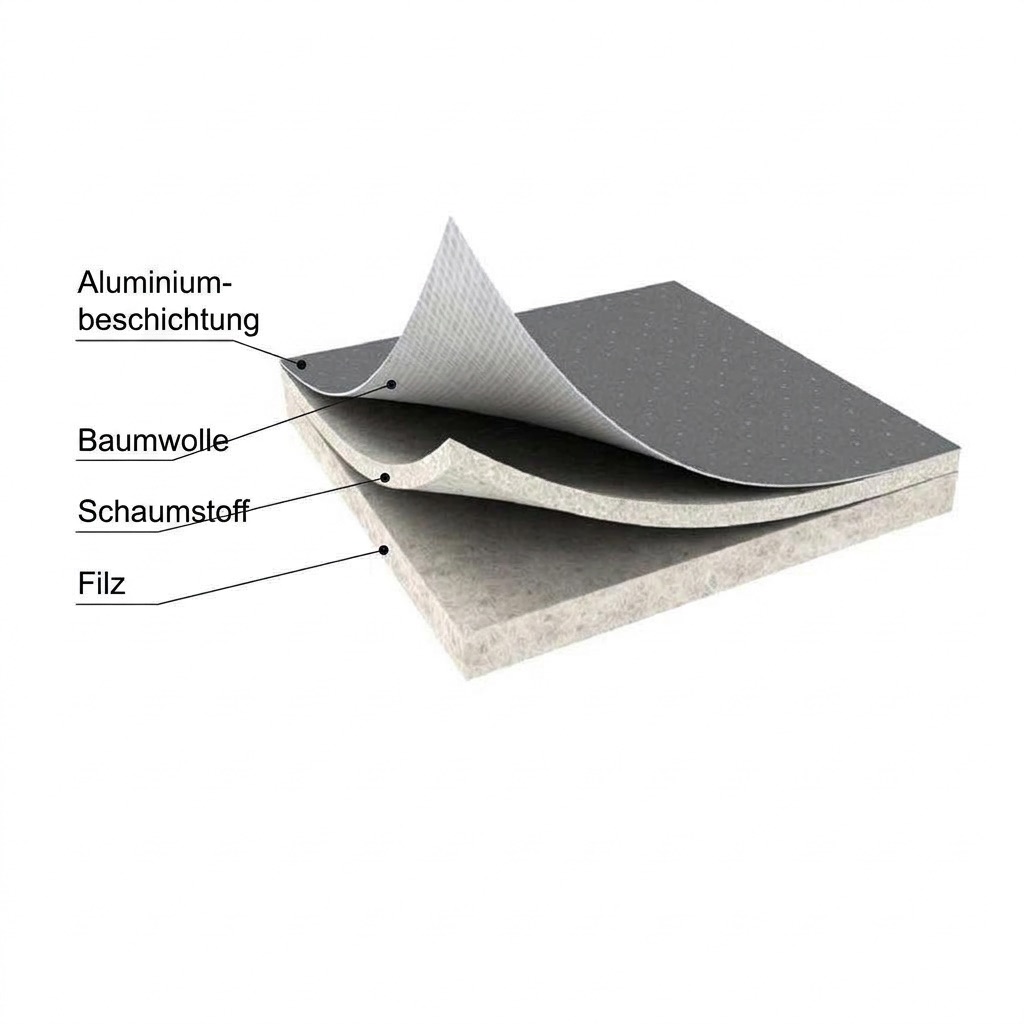
The layers in cross-section: aluminium coating, cotton, foam and felt – each layer contributes to comfort, support and heat handling.
Foam padding
Foam provides a soft, slightly cushioned ironing surface.
- comfortable surface for everyday ironing,
- helps compensate for minor irregularities,
- available in different thicknesses and densities.
Low-quality foam can become compressed over time, reducing its cushioning effect.
Felt padding
Felt is another common padding material. It offers a firmer, more stable surface and good support for ironing.
- stable ironing surface,
- good support underneath the fabric,
- durable when made from quality materials.
How thick should the padding be?
There is no universal thickness that works best for everyone. Thin padding gives a firmer surface, while thicker padding offers more cushioning – but excessive softness can make precise ironing harder. The ideal choice depends on your ironing habits, the garments you iron and the construction of your board.
3. Heat resistance: an important factor
An ironing board cover is regularly exposed to high temperatures, so heat resistance is an important factor. A good-quality cover should be designed to withstand the temperatures of its intended use.
Pay attention to:
- maximum temperature recommendations,
- quality of the surface fabric,
- resistance to repeated heating,
- compatibility with steam irons and steam generator systems.
Always follow the manufacturer's instructions. Not every cover is designed for every type of ironing equipment.
4. Steam permeability: why does it matter?
If you use a steam iron or steam generator, steam permeability is particularly important. During ironing, steam passes through the garment and the cover. A suitable cover lets moisture pass through its structure instead of letting it accumulate.
Poor steam management results in a damp ironing surface and less comfortable ironing. When selecting a cover, look for:
- materials designed for steam ironing,
- a suitable combination of surface fabric and padding,
- construction compatible with your ironing board system.
For active ironing boards with suction or blowing functions, compatibility is especially important. Choose covers specifically designed for the relevant ironing system.
5. How to choose the correct size
Even the highest-quality cover will not perform properly if it does not fit your board. A cover that is too small is hard to install, while one that is too large may wrinkle or move during ironing. Measure your board carefully before buying.
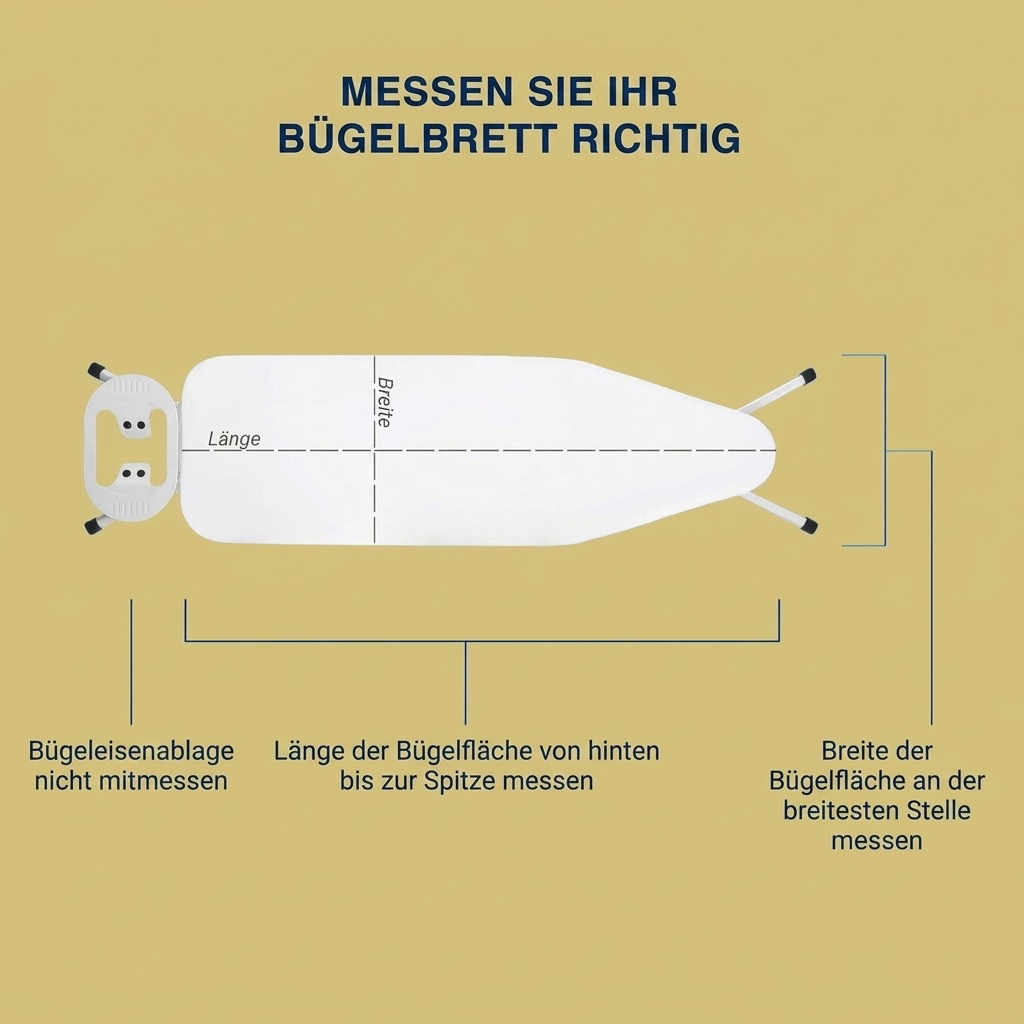
- Measure the length: the ironing surface from the front tip to the opposite end.
- Measure the width: at the widest part of the board.
- Check the shape: some boards have a narrow, pointed front, others a rounder or specialised shape. The shape matters as much as the measurements.
- Check the fastening system: elastic edges, drawstrings, clips or tensioning systems – make sure the replacement is compatible.
Important: if you own a specialised ironing system, check the exact model and the manufacturer's compatibility information rather than relying only on measurements.
6. What makes a good-quality ironing board cover?
When comparing covers, don't focus only on price or appearance. Several factors determine overall quality and usability:
- Surface material: affects ironing feel and heat handling.
- Padding quality: provides support and comfort.
- Heat resistance: helps withstand repeated ironing.
- Steam permeability: supports effective steam management.
- Fit & fastening: keeps the cover properly positioned.
- Durability: helps maintain performance over time.
- Machine compatibility: ensures the cover works with your ironing system.
A good cover combines these characteristics rather than relying on one feature alone.
7. When should you replace your ironing board cover?
Even a high-quality cover eventually shows wear. Consider replacing it if you notice:
- burn marks or discolouration,
- tears, holes or damaged fabric,
- flattened or uneven padding,
- wrinkles that cannot be removed,
- a cover that no longer stays securely in place,
- reduced performance when using steam.
Replacing a worn cover can improve your ironing experience without replacing the entire board.
8. Which ironing board cover is right for you?
A simple overview to help you decide:
- Everyday household ironing: cotton cover with suitable padding.
- Frequent ironing: durable surface and quality padding.
- Heat-reflective surface: aluminium-coated cover.
- Steam ironing: good steam permeability.
- Steam generator system: system-compatible cover.
- Professional ironing: cover designed for professional equipment.
- Specialised ironing board: original or model-compatible replacement.
Conclusion: the right cover makes a difference
Choosing an ironing board cover is about more than finding the right colour or pattern. Material, padding, heat resistance, steam permeability and size all contribute to a better ironing experience.
For everyday household use, a quality cotton cover can be an excellent choice. If you want a heat-reflective surface, an aluminium-coated option may be worth considering. Most importantly, always check the dimensions and compatibility of your board before buying a replacement.
Explore our ironing board covers and find the option that suits your needs – make ironing easier with the right cover!
Frequently asked questions (FAQ)
Cotton or aluminium – which is better?
Both have their strengths. Cotton offers a classic, familiar ironing surface; an aluminium cover reflects heat and can make ironing more efficient. What matters is the overall construction, not the surface alone.
How do I know which size I need?
Measure the length and the widest width of your board, and check the shape and the fastening system. For specialised ironing systems, model compatibility matters more than measurements alone.
Is every cover suitable for steam irons?
No. For steam irons and steam generators, look for good steam permeability and the compatibility stated by the manufacturer.
When is a new cover due?
When you see burn marks, tears, flattened padding, permanent wrinkles, a loose fit or reduced steam performance.